










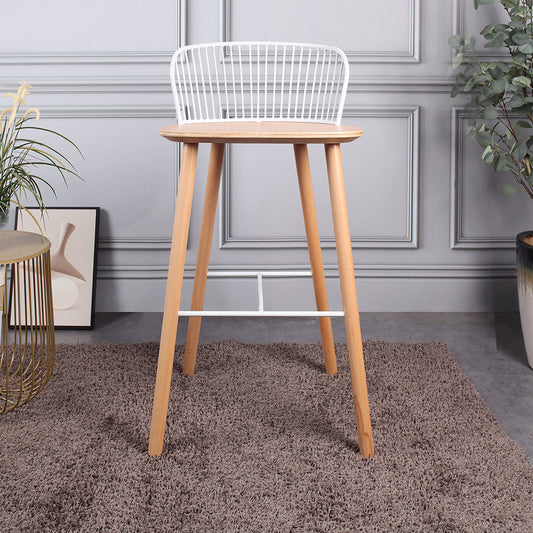

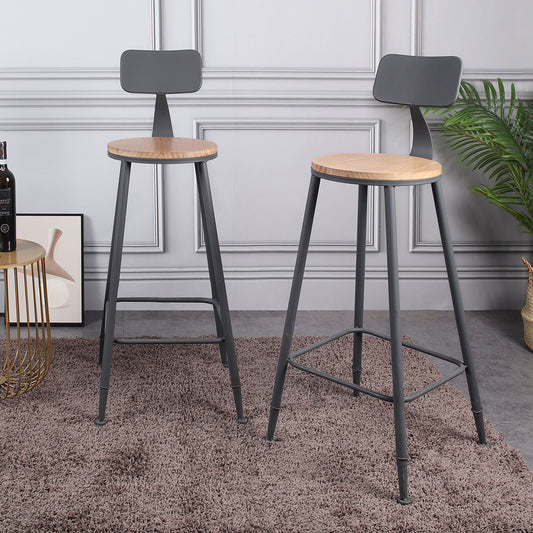

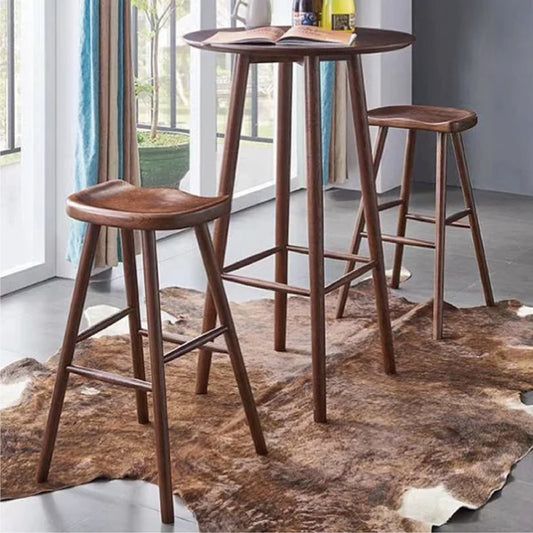

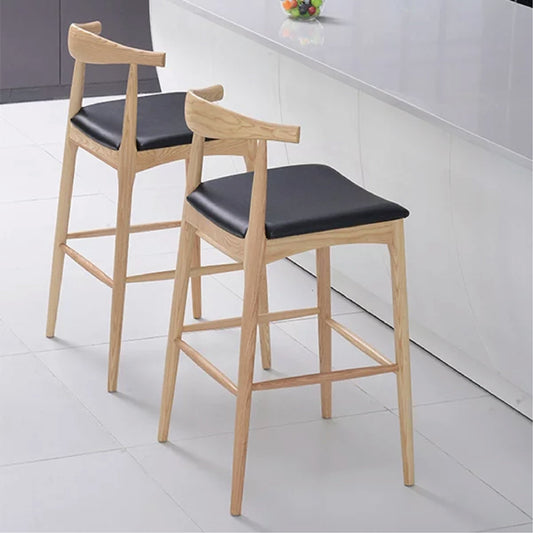

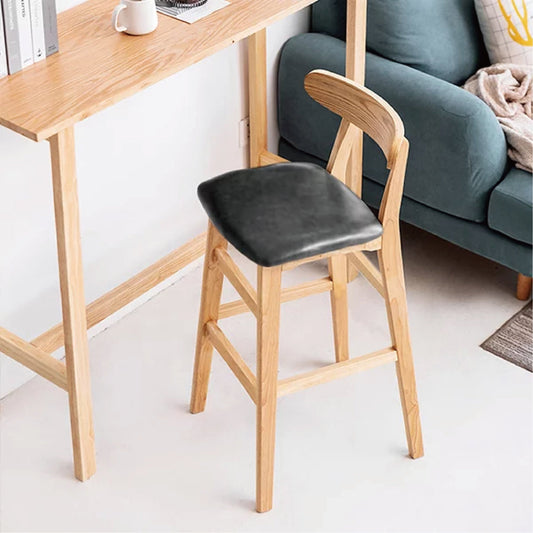
The Ultimate Guide to Choosing Bar Stools in Hong Kong: Heights, Materials, and Saving Space in Nano-Flats
Open-concept kitchens and kitchen islands have become the standard for modern Hong Kong homes—especially in those cozy, smaller apartments. A perfect bar stool doesn’t just break up the space and add a touch of style; it doubles as a workspace, a dining spot, or the perfect hangout for friends. But with so many options out there, choosing the wrong height can lead to uncomfortable legroom or a literal pain in the back. Our home decor experts are here to break down the "golden ratios," material pros and cons, and space-saving hacks you need to master your tiny home.
1. The "Golden Ratio" of Bar Stools: Calculating Your Legroom
The biggest mistake people make? Ignoring the gap between the counter height and the seat height. If the stool is too high, you’ll be squashed against the counter; too low, and you’ll be hunching over like a shrimp. Ideally, you want to maintain a comfortable gap of 25 cm to 30 cm between the underside of the counter and the seat.
■ Kitchen Island (Counter): 90–100 cm ➔ Pair with 65 cm seat height
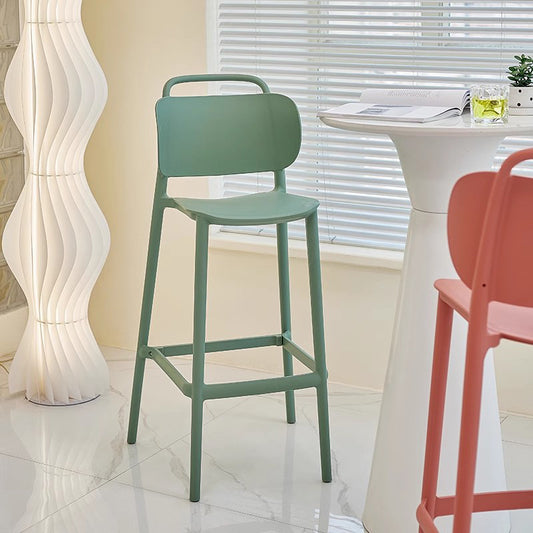
Most standard Hong Kong kitchen islands (especially in new developments) are between 90 cm and 100 cm high. For this, a 65 cm seat height (Counter Stool) is your golden ticket. It gives you plenty of room for your legs while letting your elbows rest naturally on the counter for prepping food, working, or grabbing a quick snack.
■ High Bar (Bar Counter): 100–110 cm ➔ Pair with 75 cm seat height
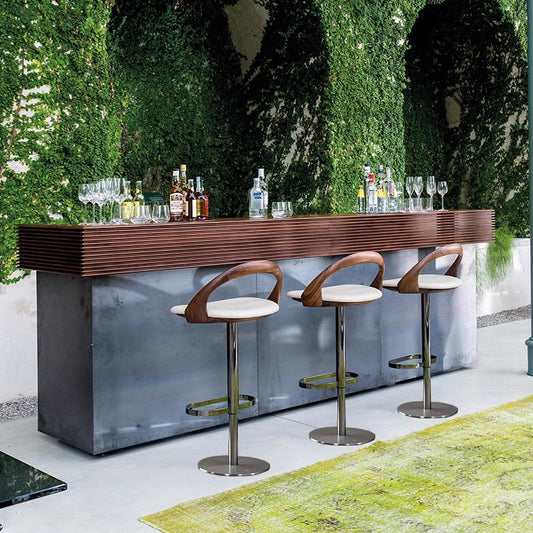
If you’ve got a dedicated high bar table or a window-side view spot, those are usually around 100 cm to 110 cm. Go for a 75 cm seat height (Bar Stool). If your counter is over 110 cm, you'll need an extra-tall stool (80–85 cm)—and definitely make sure it has a footrest!
【Pro Tip: Fixed vs. Adjustable Stools】
If you have family members of different heights, or if your island pulls double-duty as a dining table and home office, go for a gas-lift adjustable stool. They usually range from 60 cm to 82 cm, offering max flexibility.
2. Three Core Materials: Solid Wood, Metal, and Leather
Materials don’t just dictate the "vibe" of your home; they dictate how much cleaning you’ll be doing. Here’s the lowdown on the big three:
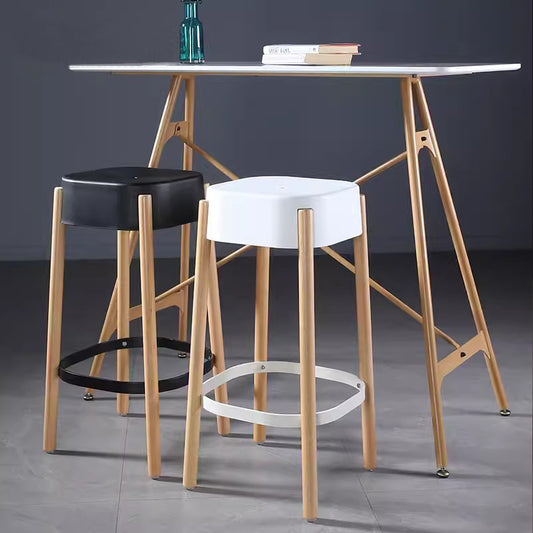
(1) Solid Wood
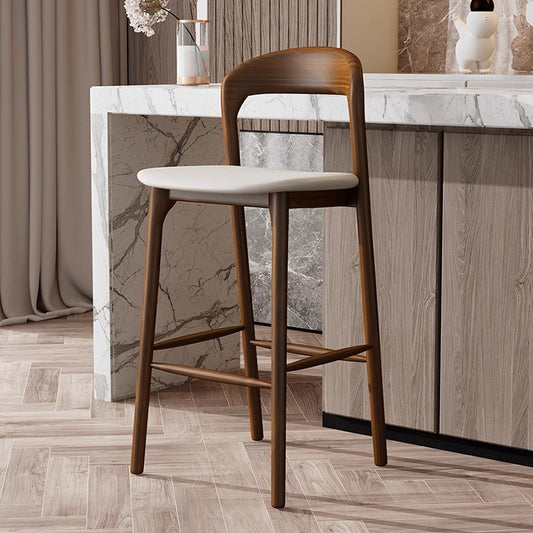
- Pros: Warm, natural texture that fits perfectly with Japandi or Scandinavian aesthetics. Very sturdy and high weight capacity.
- Cons: Heavy to move around. Plus, Hong Kong's humidity is no joke—if the wood isn't properly treated, it might swell.
- Best for: Cozy family dining areas or homes going for that "minimalist zen" look.
(2) Metal/Steel
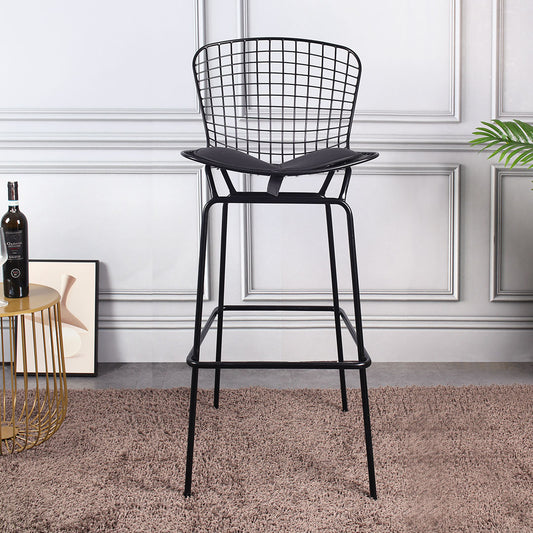
- Pros: Virtually indestructible. Slender lines help keep the room looking open and less cluttered. Highly resistant to moisture and wear, and super easy to clean.
- Cons: Can be cold in winter and hot in summer. If it doesn't have a cushion, it's not the comfiest for long sessions—we suggest adding a soft seat pad.
- Best for: Kitchens with lots of cooking (oily smoke!), industrial-style homes, or anyone who just wants something that lasts forever.
(3) Leather & PU Leather
- Pros: Maximum comfort with great support. Genuine leather screams luxury, while high-quality PU leather is water-resistant and easy to wipe down after a spill.
- Cons: Cheap PU leather can start peeling after a few years. Real leather needs regular conditioning to keep it supple.
- Best for: Long hours of working at the bar, or for folks who want that upscale hotel-lounge feel.
3. Space-Saving Hacks for Nano-Flats
In Hong Kong, every inch counts. If you’re living in a 200–400 sq. ft. apartment, you need stools that know how to get out of the way when you aren't using them:
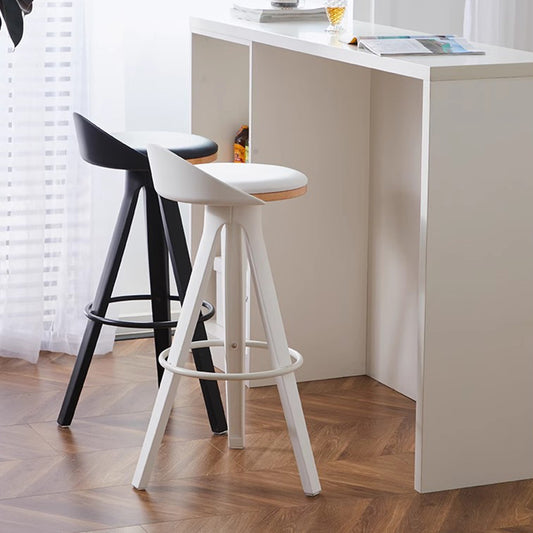
■ Backless Stools: The Invisible Option
The biggest benefit of backless stools is that they slide completely under your counter. 100% of your floor space is recovered! Plus, with no chair backs cluttering the visual line, your room feels instantly bigger.
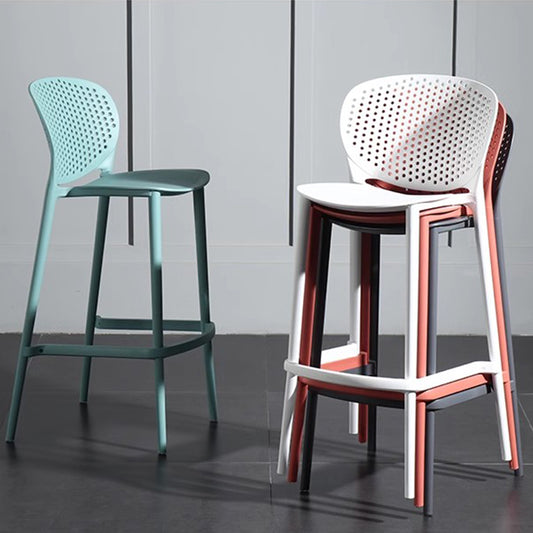
■ Stackable Stools: The "Friends Over" Hero
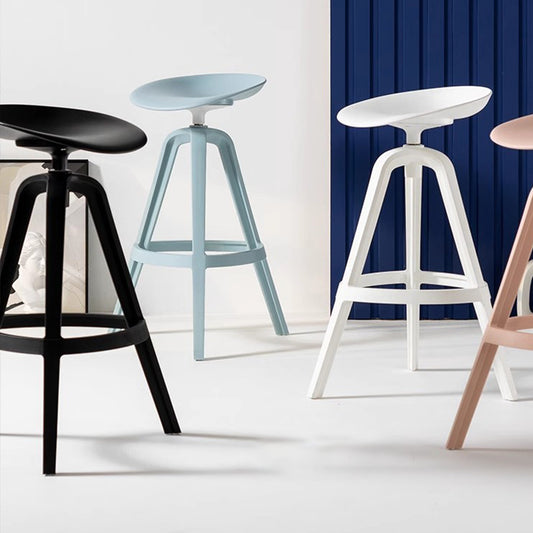
You only need two stools for daily life, but what about movie night with friends? Stackable stools can be tucked away in a corner or a cupboard when not in use. They take up the footprint of just one chair—perfect for small spaces.
■ Folding Bar Stools: Maximum Flexibility
For the ultimate space-saver, folding stools fold down to 5–10 cm thin. Slide them under the bed, behind a door, or even hang them on a wall. Use them when you need them, hide them when you don’t.